
Why Britannia Youth

Why Britannia Youth

Why Britannia Youth

Organisation?

Organisation?

Organisation?

Because young people deserve support, opportunity, and someone who believes in them.

"Potential is universal. Opportunity is not."
Our Story

See Our Work

Building Futures
Building Futures
Inside Britannia Youth Organisation
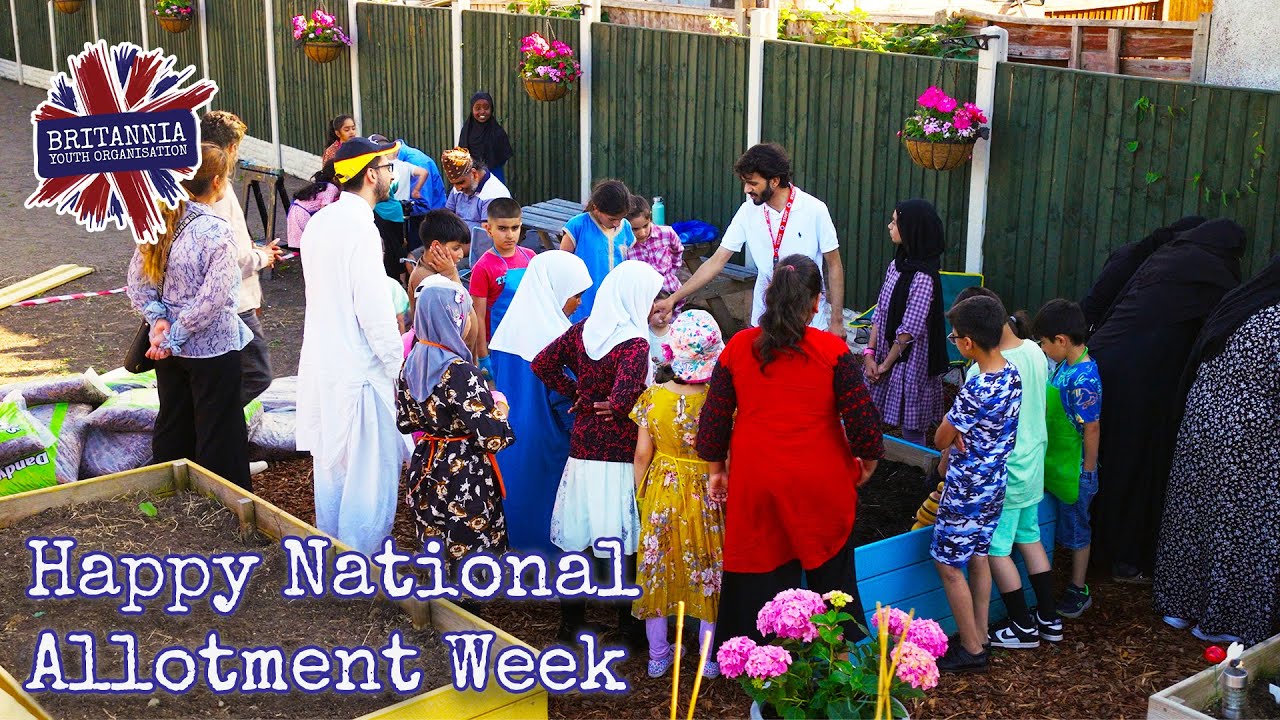
National Allotments Week
Four Years of Growing Futures

Why We Exist

We address the systemic barriers preventing young people from reaching their full potential through targeted intervention.

Systemic Challenges

4.3 million children in the UK live in poverty. That represents 30% of all children – 9 in every classroom of 30 across the country.

The Local Context
The Opportunity Gap
Our Intervention
Systemic Challenges

4.3 million children in the UK live in poverty. That represents 30% of all children – 9 in every classroom of 30 across the country.

The Local Context
The Opportunity Gap
Our Intervention

The context

The Scale of the Challenge

Child Poverty

4m

Children in the UK live in poverty — more than a quarter of the next generation, and rising.

Our Region

32%

Child poverty in the West Midlands, joint-highest in England outside London. That's ten children in a classroom of thirty.

The Gap

19 months

How far behind disadvantaged pupils are by the time they sit GCSEs. Still wider than at any point since 2012.

Sources: DWP Households Below Average Income, 2024/25 · Sutton Trust, 2025

How Our Approach Supports Young People

Reliable youth work matters: one safe space, many outcomes. Consistent, high-quality youth provision creates second-order effects.
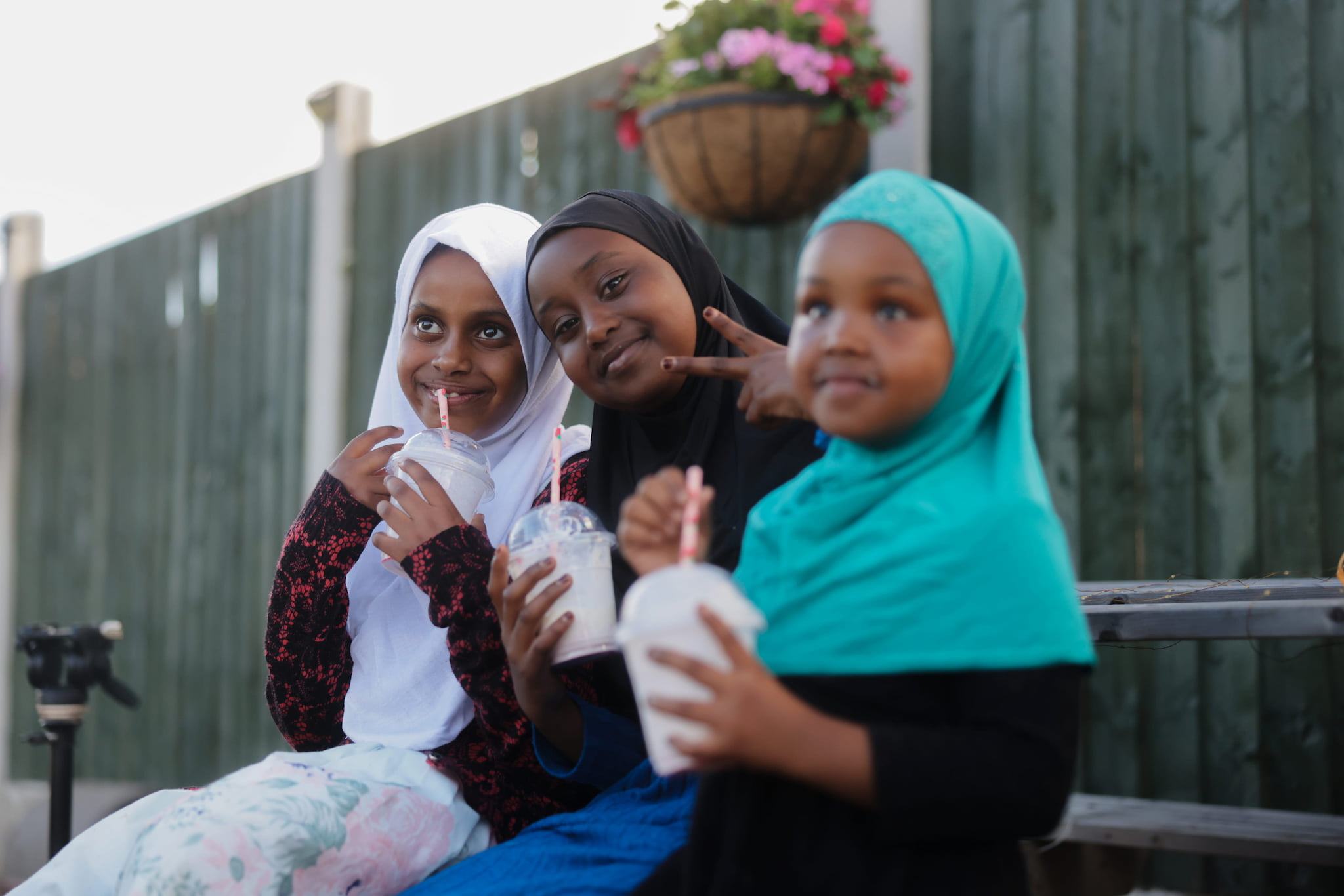
Belonging

Regular, welcoming sessions help young people feel safe, recognised, and included in a community that values them.

Learning

Structured activities and mentoring support skills development and confidence in learning—both academic and life skills.

Learning

Structured activities and mentoring support skills development and confidence in learning—both academic and life skills.

Learning

Structured activities and mentoring support skills development and confidence in learning—both academic and life skills.

Time & Routine

Consistent weekly sessions provide stability and positive use of time, creating healthy rhythms and structure.

Time & Routine

Consistent weekly sessions provide stability and positive use of time, creating healthy rhythms and structure.

Time & Routine

Consistent weekly sessions provide stability and positive use of time, creating healthy rhythms and structure.

Leadership

Exposure to role models and opportunities for responsibility supports longer-term aspiration and self-belief.

See What We Do
in action

Explore our services, meet our team, and learn about Hassan's journey from Birmingham streets to Cambridge University.