Ibrahim's
Story®
Growing More Than Vegetables: How the allotment club helped Ibrahim discover an interest in politics and civic life.
The Boy Who
Grows Things
Ibrahim, 12, loves Saturday mornings at the allotment. He's grown tomatoes, lettuce, radishes, and herbs. He knows about composting, crop rotation, and why you need to water plants early in the morning before the sun gets too hot. His friends think it's a bit nerdy. Ibrahim doesn't care—he loves it.
He also plays football, but not as a striker or midfielder. Ibrahim is a defender. His teammates call him "The Wall." Solid, dependable, always there. That's Ibrahim—steady, thoughtful, the kind of kid who thinks before he speaks.
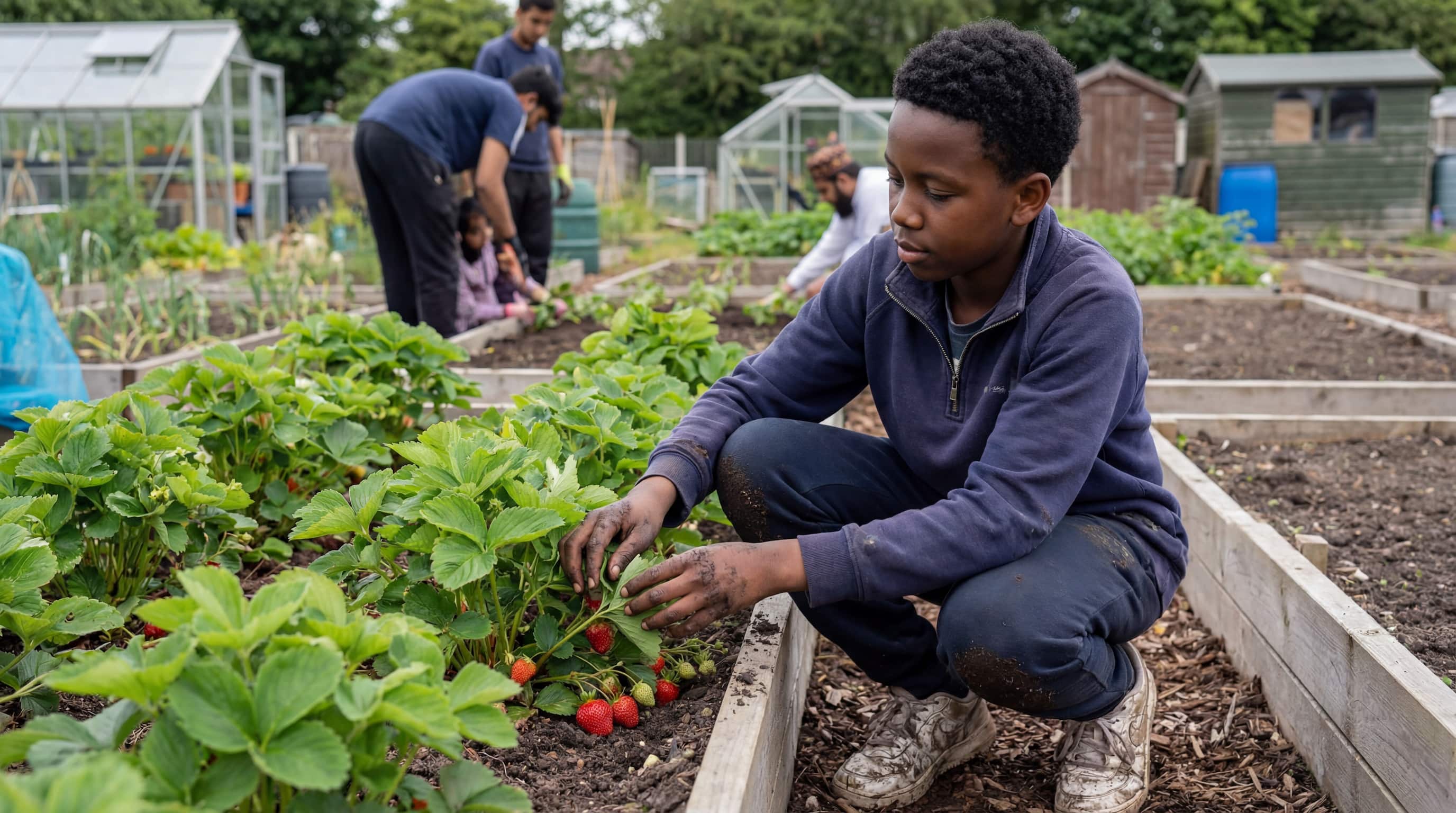
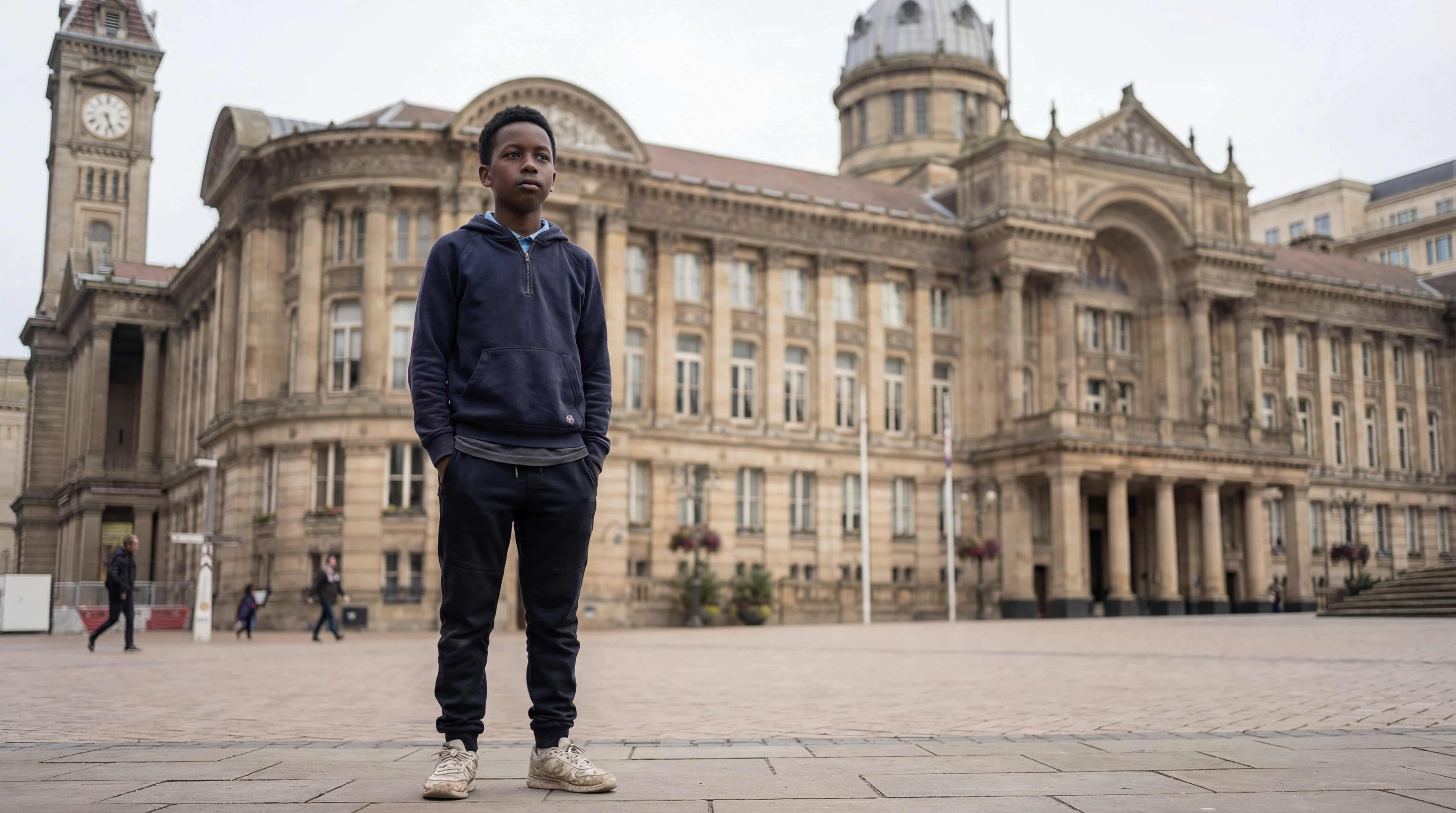
Image generated by AI for safeguarding purposes. The real Ibrahim's identity is protected, but his story is genuine.
Two Guest Speakers,
Two New Interests
Ibrahim attended two guest speaker talks that changed how he sees the world. The first was Pablo Ruiz Arango talking about international trade—how countries depend on each other, how goods move across borders, how economic decisions affect people's lives. Ibrahim hadn't thought about that before. Where does the food in shops come from? Why do some countries trade more than others? Why does it matter?
The second talk was Sasha Bhangoo from Oxford University talking about politics. Not boring textbook politics, but real-world questions: How do laws get made? Who decides what happens in your community? How can ordinary people influence those decisions? Why does democracy matter?
Most of the kids listened politely and moved on. Ibrahim stayed behind with questions. Sasha talked to him for twenty minutes after the session—about Parliament, about local councils, about how citizens participate in democracy beyond just voting.
“I never really thought about who makes the rules before. Like, I knew the government exists, but I didn’t know how it actually works. Sasha explained it in a way that made sense.”— Ibrahim, age 12
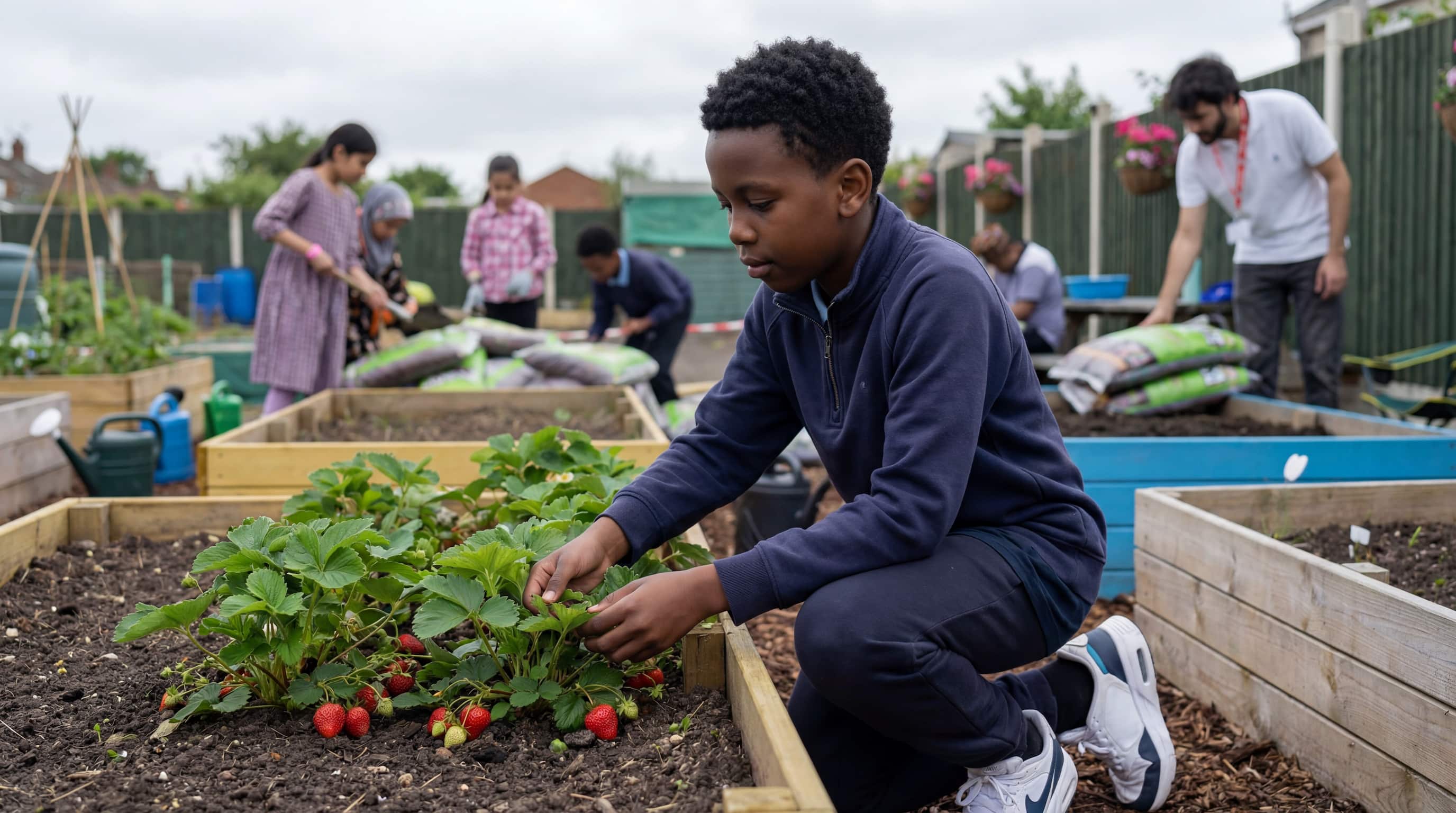
Ibrahim's Saturday mornings at the allotment taught him patience, responsibility, and how things grow with consistent care.
From TikTok to
Dinner Table Debates
After Sasha's talk, Ibrahim started watching Politics Tutor on TikTok. Short, digestible videos explaining how Parliament works, what the Cabinet does, how bills become laws. He learned about the Supreme Court, devolution, the difference between MPs and Lords.
Then he started talking to his dad about the news. His dad was surprised—Ibrahim had never shown much interest before. But now he's asking questions: "Why did they pass that law?" "What does the opposition think?" "Who decides how much money goes to schools?"
His dad started explaining things more carefully, treating Ibrahim like someone capable of understanding complex issues. They debate now. Not arguments—actual debates about policies, about what's fair, about how government should work. Ibrahim's mum jokes that their house has turned into Question Time.
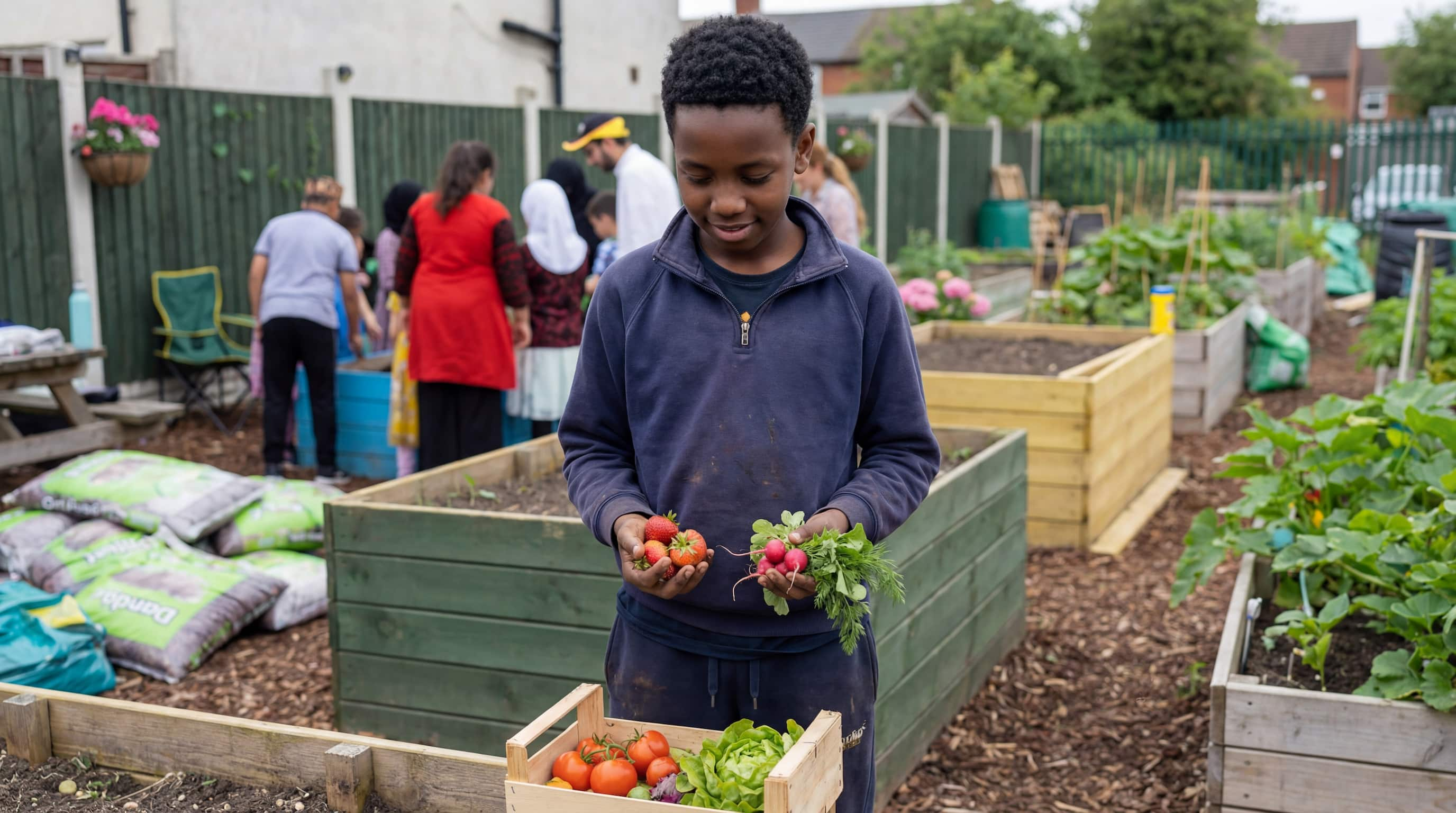
The fruits of Ibrahim's labor—tomatoes, lettuce, radishes, and herbs grown from seed at BYO's allotment club.
Citizenship Lessons
Make Sense
Ibrahim's school offers citizenship education—one of those subjects most kids zone out in. But after the guest speaker talks, everything clicked. When his teacher talked about voting systems, Ibrahim already knew about first-past-the-post and proportional representation from his TikTok videos. When they discussed how laws are made, Ibrahim could explain the process to his classmates.
His teacher noticed. She pulled Ibrahim aside and asked if he'd be interested in joining the school council. Ibrahim hadn't even considered it before. Now he's thinking about it seriously. Maybe he could actually help make decisions that affect students. Maybe his voice could matter.
“At BYO, I learn stuff I don’t get taught in school. Hassan and the others teach us things that make us ready for the real world. Like how things actually work, not just facts to memorise.”— Ibrahim, age 12
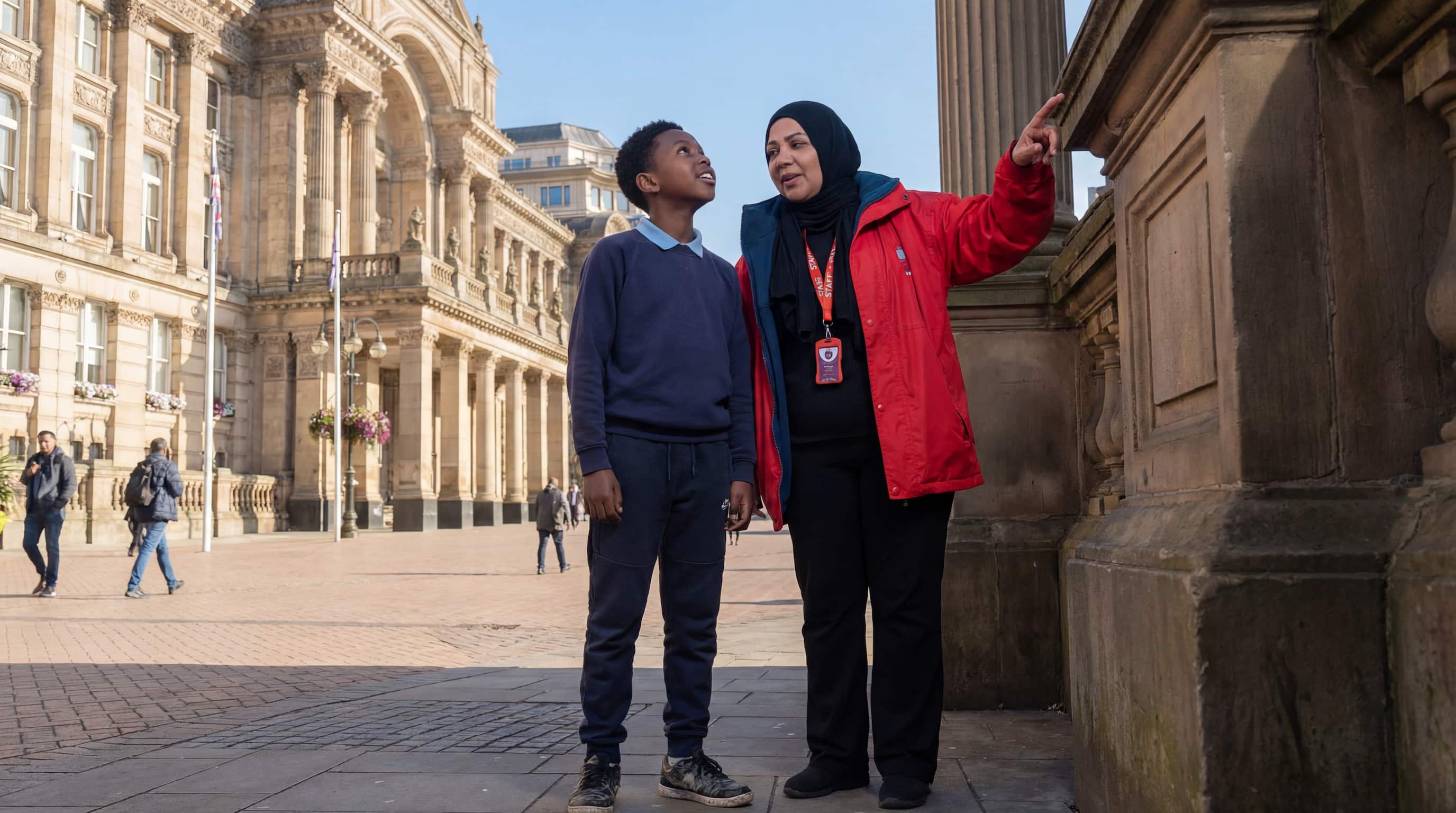
Understanding how democracy works—from Parliament to local councils—helps young people see themselves as active citizens.
The Connection Between
Growing and Governing
Here's what's interesting: Ibrahim connects his two interests. Growing vegetables taught him patience—you plant seeds, you water them, you wait, and eventually something grows. You can't rush it. You can't force it. But with consistent care and the right conditions, things flourish.
Politics is similar, he thinks. Change doesn't happen overnight. You need good foundations. You need people who care consistently, not just when there's a crisis. And you need to understand systems—how things work, why they work that way, how you can participate in making them better.
Most twelve-year-olds don't make these connections. But Ibrahim does. That's what happens when you give young people space to explore, learn, and think—they start seeing patterns, making connections, understanding the world in deeper ways.
Why Allotments and
Politics Both Matter
BYO's approach isn't about teaching prescribed lessons—it's about creating spaces where young people can discover their own interests. Ibrahim found both gardening and politics through BYO's varied programming.
Diverse activities
From allotments to sports to guest speakers
Space for exploration
Without pressure to perform or conform
Adults who listen
Who answer questions and take young people seriously
Practical connections
Between hands-on skills and bigger ideas
Critical thinking
Encouragement to form their own views
Still Growing
Ibrahim still comes to the allotment every Saturday. Still plays football. Still watches Politics Tutor on TikTok. His dad says he's become "annoyingly informed"—in the best way possible.
He doesn't know exactly what he wants to do when he grows up. Maybe something with environmental policy—combining his love of growing things with understanding how systems work. Maybe local government. Maybe journalism. He's twelve. He has time.
But here's what matters: Ibrahim now sees himself as someone capable of understanding complex systems, participating in civic life, and contributing to how his community is governed. That shift in self-perception—from passive recipient to active citizen—is profound. And it came from Saturday mornings at an allotment and Sunday afternoons listening to guest speakers.
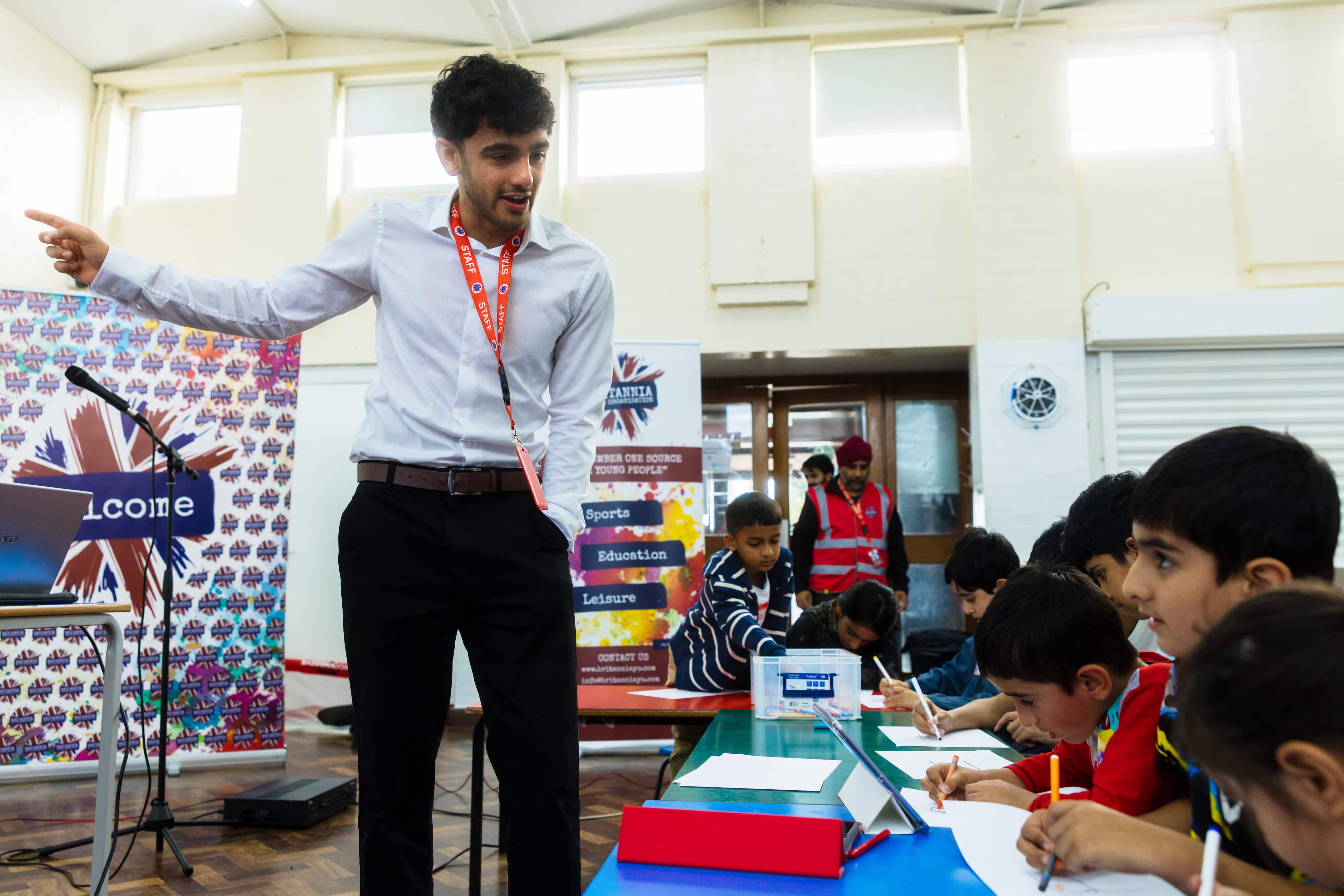
Guest speakers like Sasha Bhangoo help young people understand how the world works and see themselves as active participants in society.
What You Can Do
Ibrahim's story shows how diverse programming creates space for young people to discover unexpected interests. From allotments to politics, every activity is an opportunity for growth.