Real World Readiness Launches – and the First Lesson is Finance

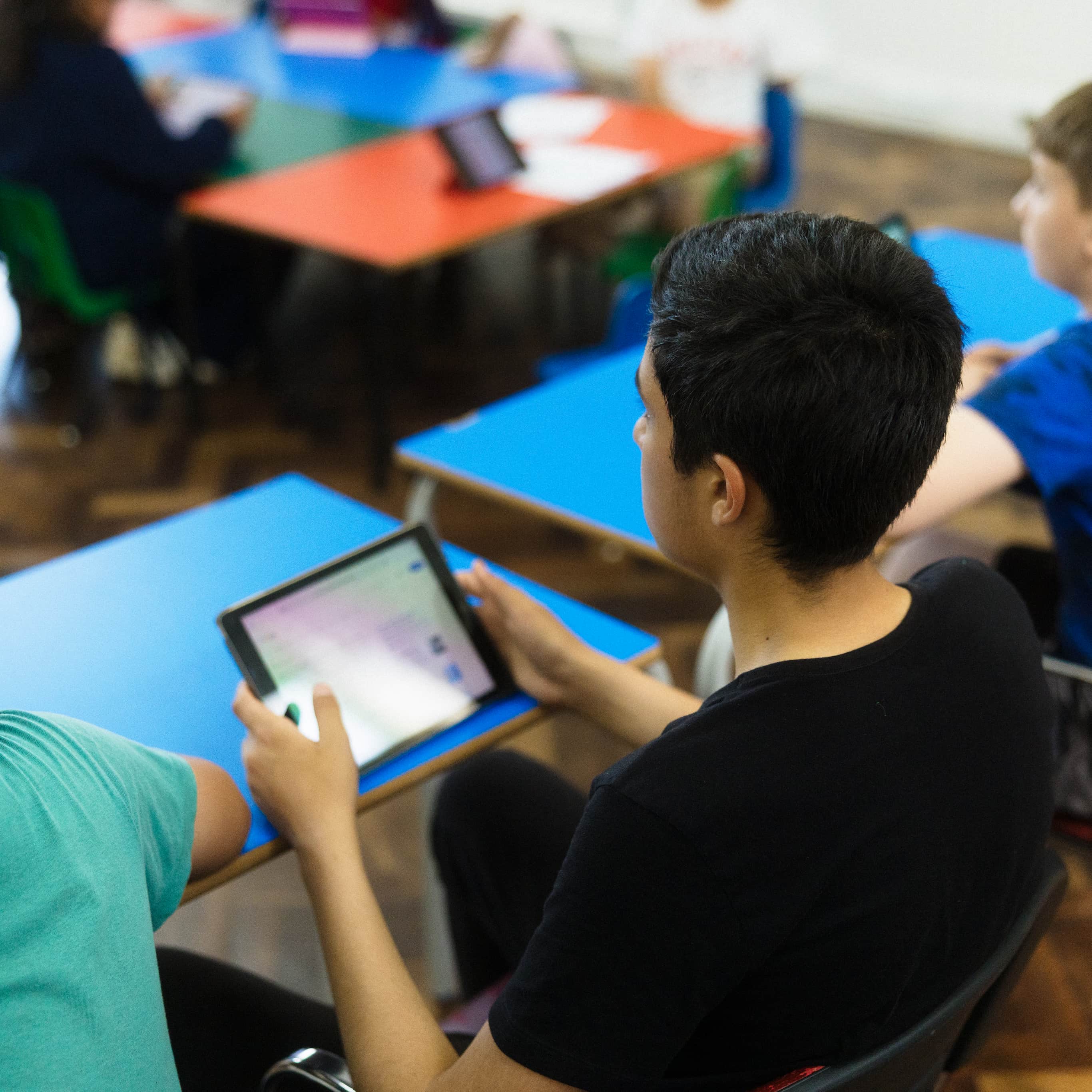
Schools cover a lot. What they rarely cover is how money actually works in the real world – the systems that young people will encounter the moment they turn eighteen and start navigating adult life independently.
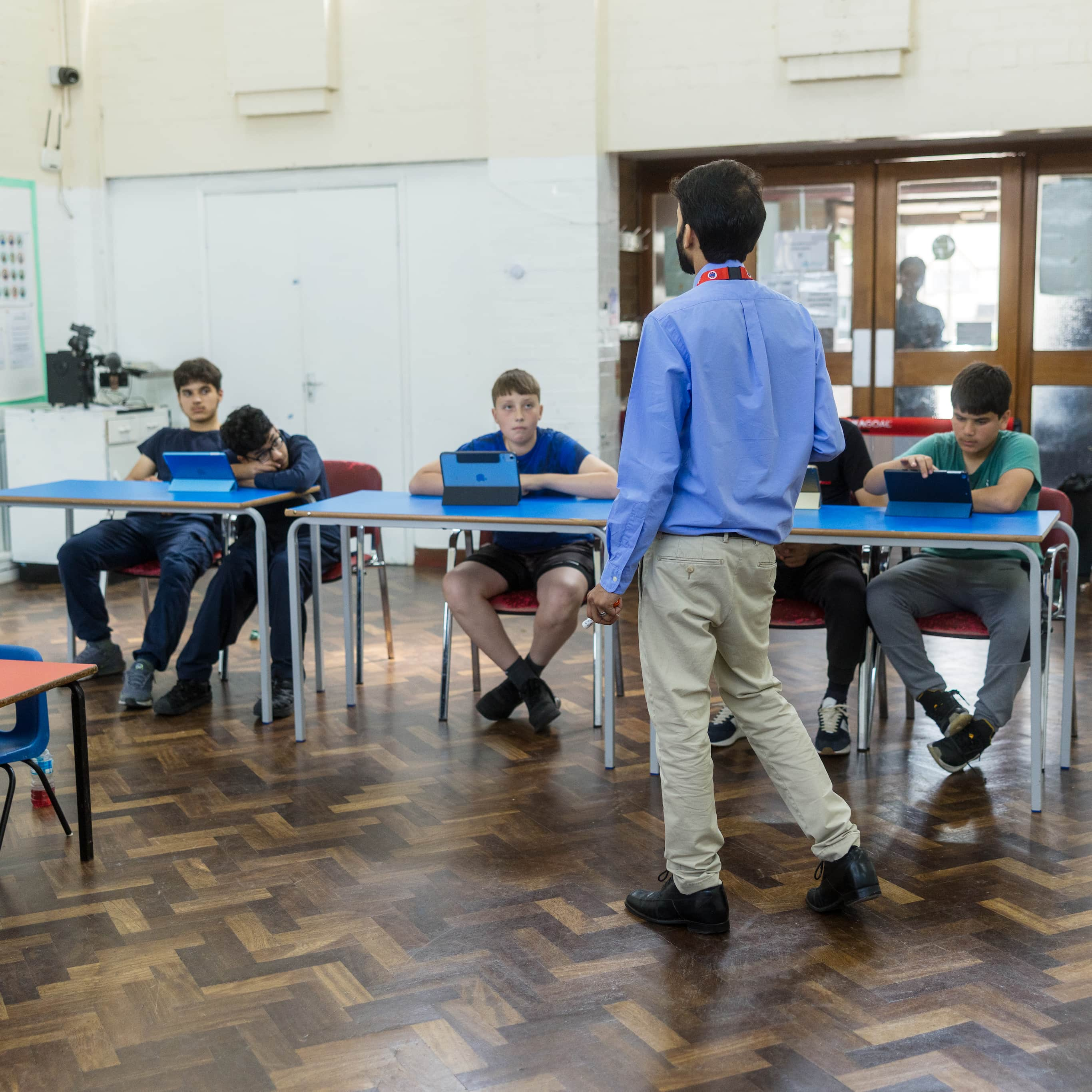
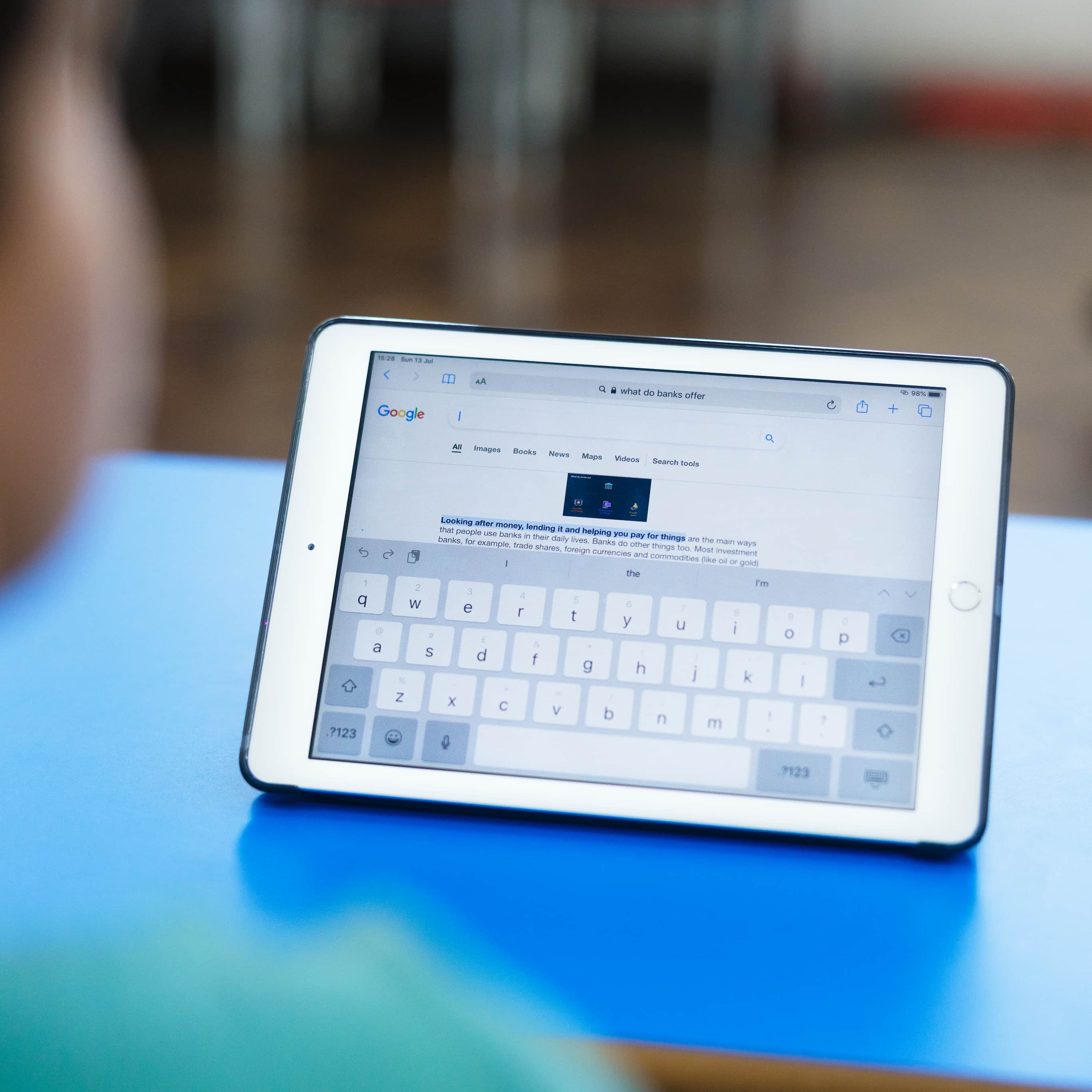
This session addressed that directly. The group explored the difference between credit and debit cards, how mortgages work, the role banks play in everyday life, and the different types of loans available and when each makes sense. Straightforward information, clearly explained – but information that most of these young people would otherwise encounter for the first time only when they need it, without any preparation.
That gap matters. Financial confidence isn't innate – it's built from exposure and understanding. A young person who knows how a mortgage works before they're twenty is better placed than one who encounters it for the first time at thirty. The same applies to credit, to debt, to understanding what a bank actually does when you put money in it.
This is the work of Real World Readiness. Not an extension of the school curriculum, but a parallel track – covering the practical knowledge that stable, informed families pass down naturally, and that everyone deserves access to regardless of where they were born.